Project takeover means taking on a live system another team wrote, without rewriting it. What gets opened, what stays as it is and what joins the stack are decided while the code is read, and the boundary comes from whoever maintains the system. On KGM SsangYong's corporate site the brand's own team set that boundary: the framework and the front end stayed put, and the single addition was a cache layer.
Handover day starts with one request from our side: read-only access to the repository. The system stays live that day, because we do not shut it down or rebuild it, we read it. When the reading is done you get a list with names on it: the parts that open, the parts left alone, the part added. The boundary of that list is set by the team that will maintain the system. How the reading itself is done, and where a change stops, belongs to the software consulting page; this page is about the handover day.
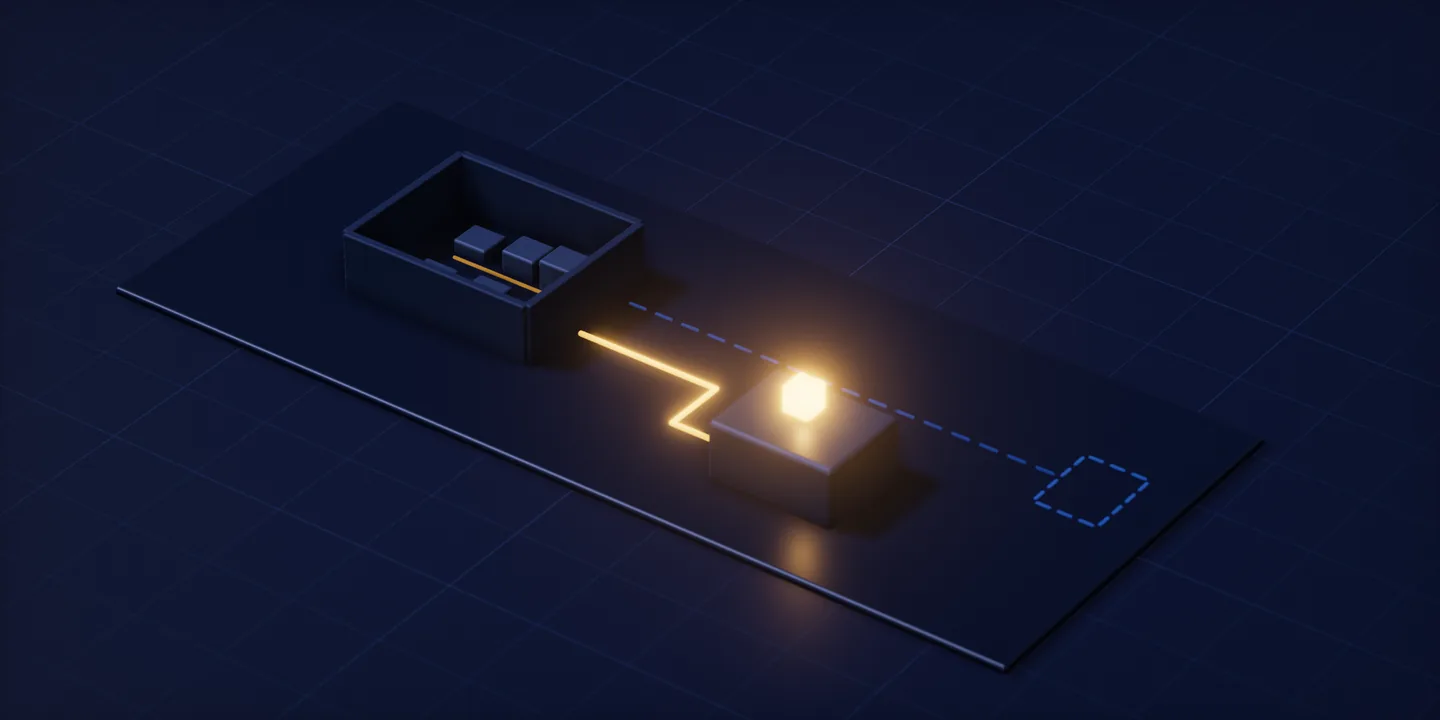
KGM SsangYong’s corporate site reached us while it was live. The list had one addition on it, a cache layer, and the application framework and the front end stayed exactly as we found them. The condition that the set would not change came from the brand’s team, the one that maintains the site, and we worked inside it. After the handover the team’s routine changed: the next model went in without a search through files.
The brand’s online store is maintained on one set together with the corporate site, so the takeover did not split maintenance between two teams.
Your system gets the same list. Every addition stands under its own name, and none of it waits inside the code as a surprise for whoever opens it next.
The usual worry at a handover is that the new team will move the system onto whatever stack it knows best. We do have a stack we know best: the web applications we build from scratch all share one set. That preference ends where your system begins. Getting to know the set your system came with is work we do, not work your team does.