A custom CMS is a content platform where your own team defines the content types instead of queueing behind a developer. Who gets to define a new type, and who is allowed to see or change each piece of information, is settled while the content model is drawn. Vipkurum lets its institutions define their own assessment standards, and Çatalca Merkez Kasap moved a printed menu onto one page.
The real question in content management is not what the writing screen looks like. It is who defines a new content type when one is needed, and if the answer is your own team, your publishing pace stops depending on a developer’s calendar.
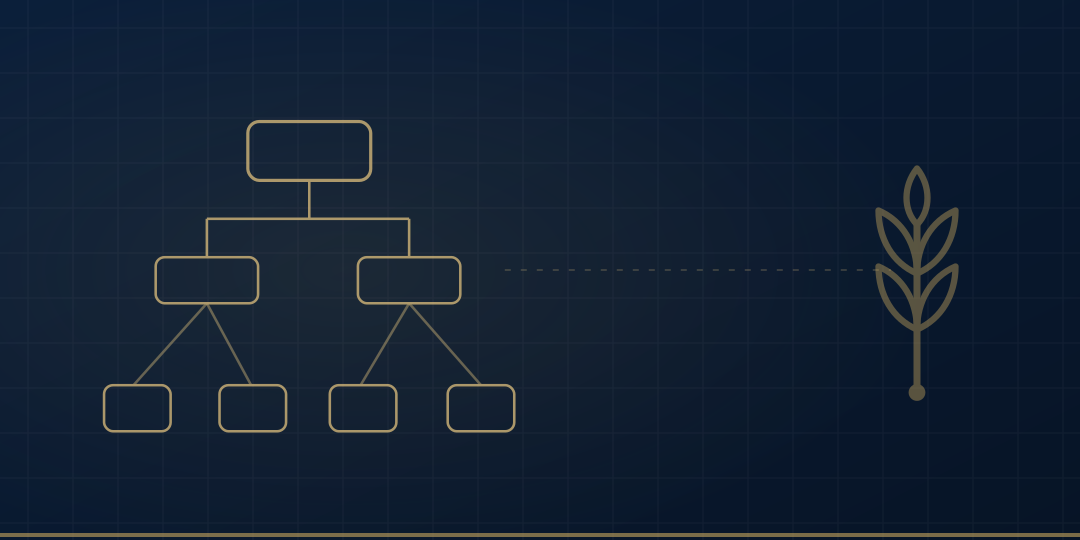
At Vipkurum that right belongs to the institutions. Each one builds its own lesson, test, question and exam, and because the assessment type is not buried in code, a European standard and a Turkish one sit side by side on the same foundation. A teacher, a student, a parent and an administrator all read the same lesson programme at their own level of permission.
Çatalca Merkez Kasap had a different knot. While the information lived on paper, every price change meant another print run. Once the menu lives as text, a price change updates only the page and the printed code stays exactly where it is. The menu is split into sections, each with its own address, so codes on different tables or windows land on different points of one page. Nobody asked for a big system here: there is no ordering, payment or stock layer behind it. The wider pattern is in replacing printed catalogues with software.
QRVizit, still under development, applies the same split to a business card. The address a printed code points to stays fixed while the page behind it changes from a panel, and a change saved there reaches the visitor’s page with no transfer step in between.
All three carry one decision: the organisation defines the content type, and a change goes neither into a release queue nor to the printer.