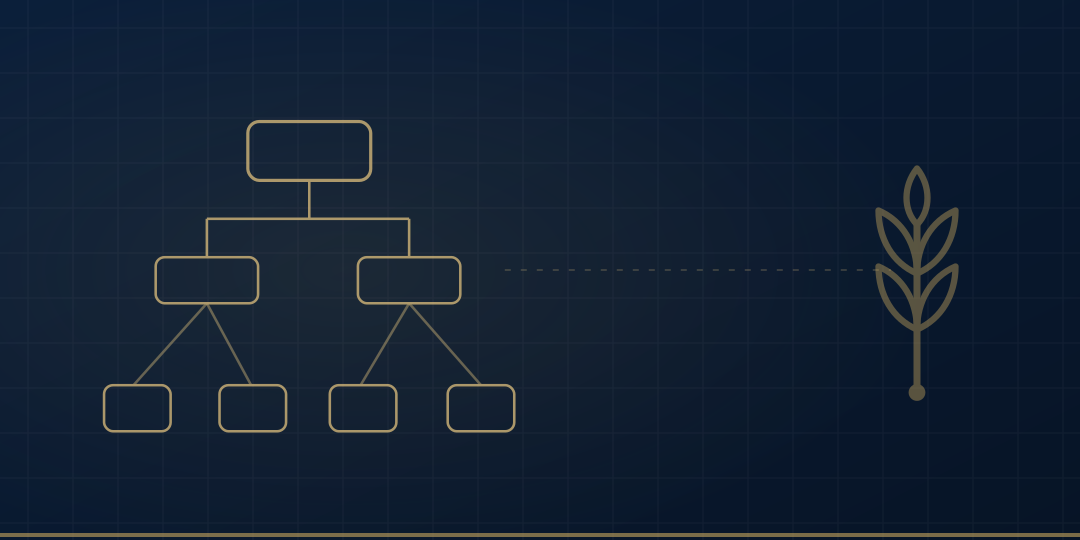
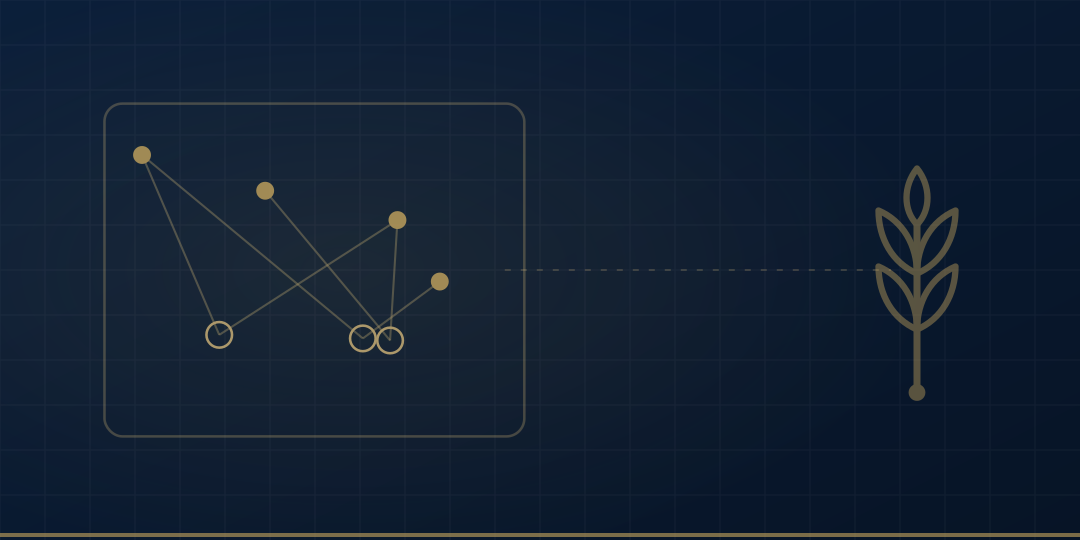
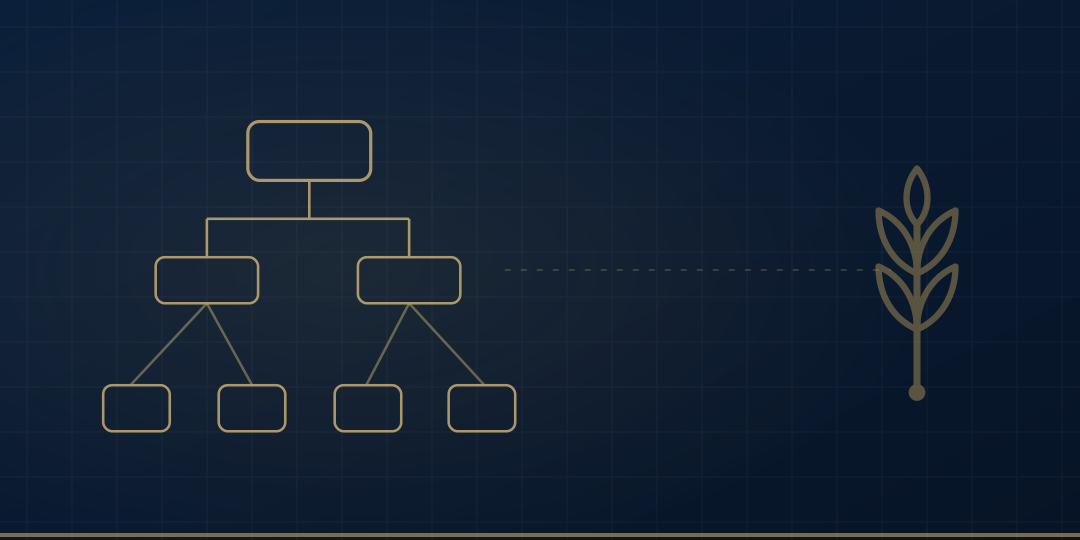
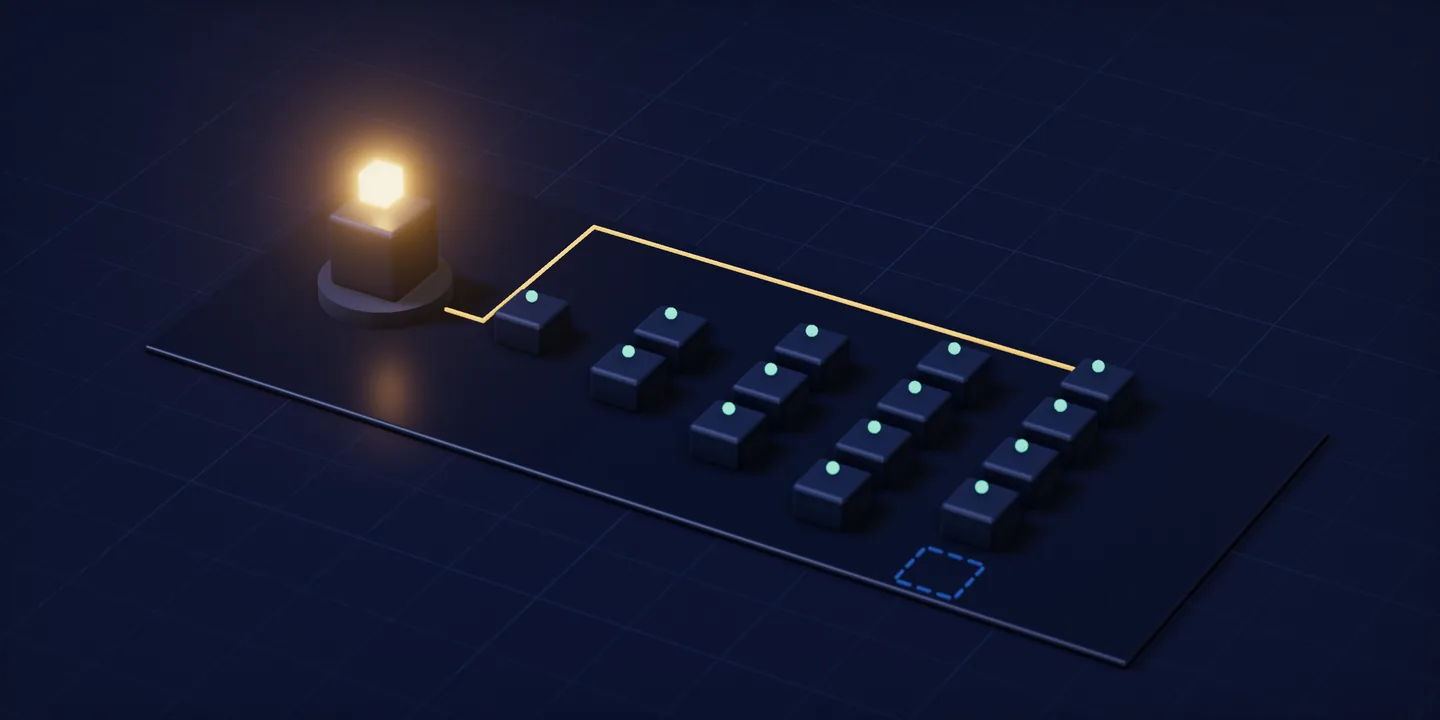
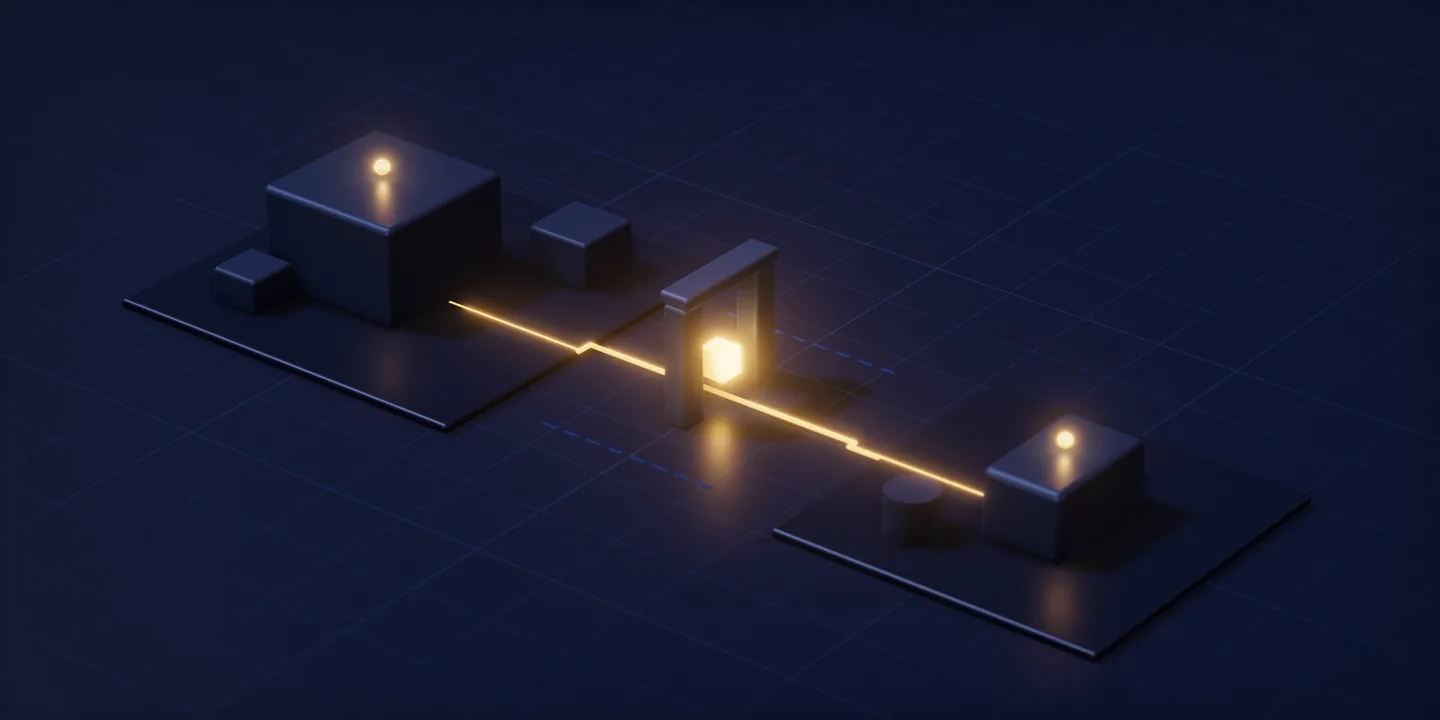
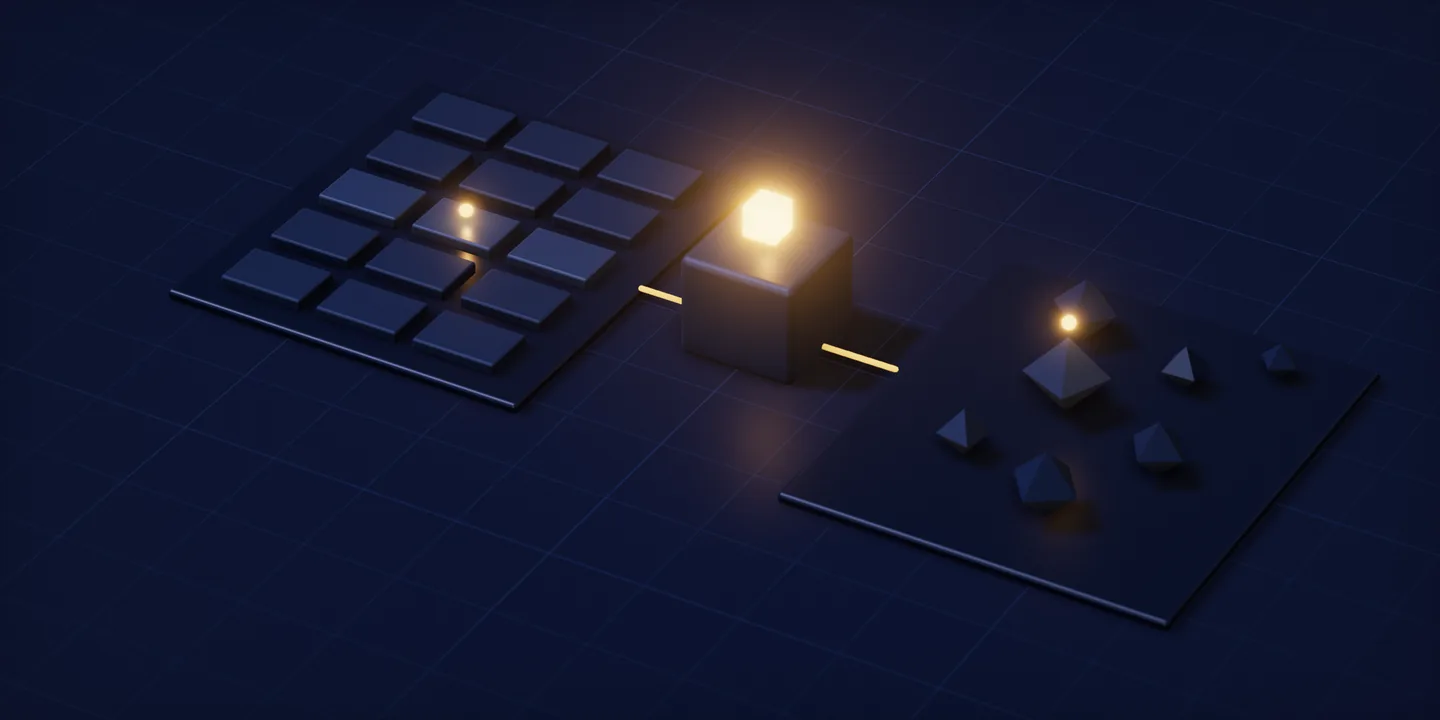
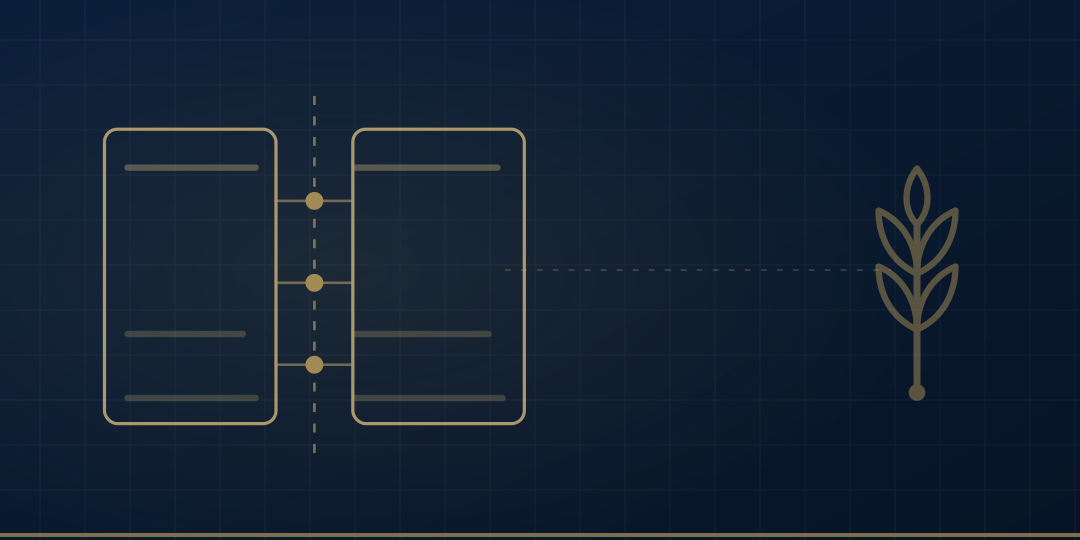
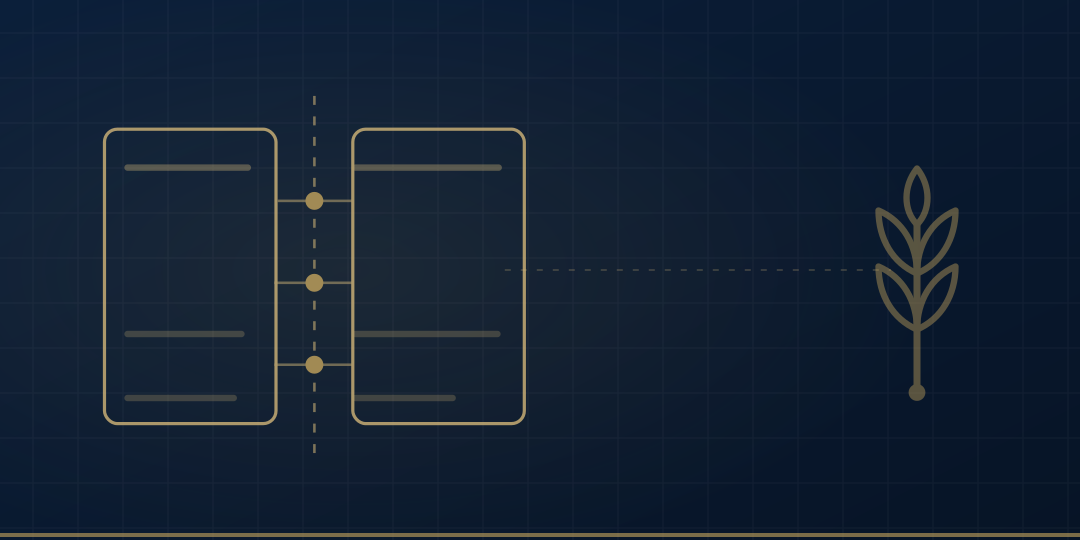
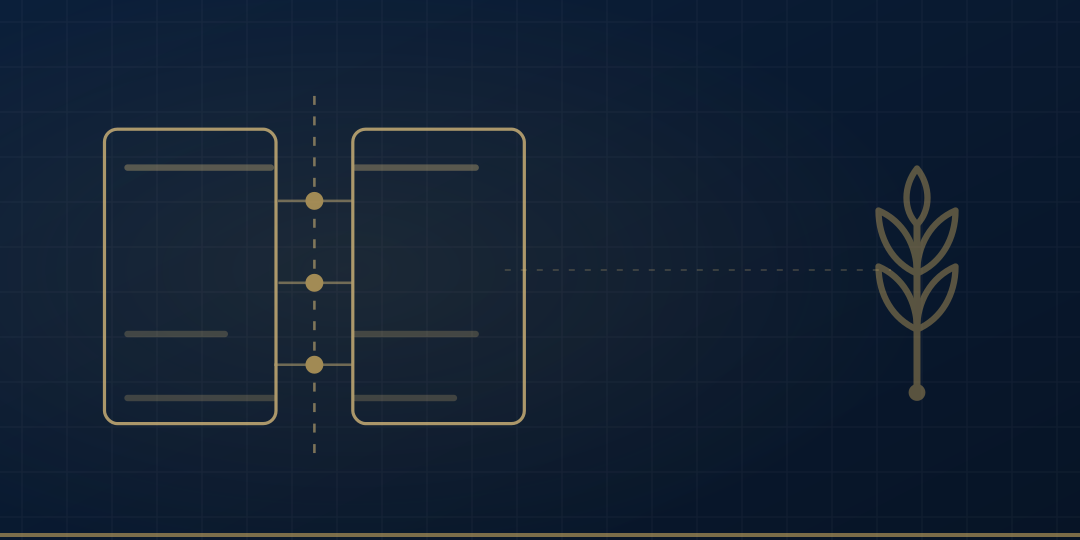
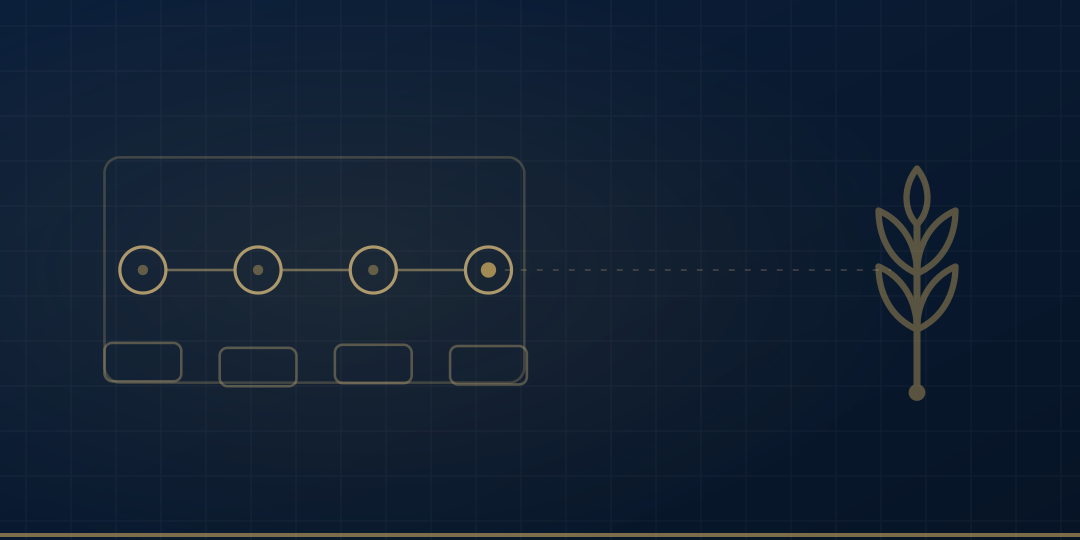
System architecture is what gets decided before any code: what a record attaches to, where the data divides, how many interfaces one system carries. Each is settled in the data model rather than the interface, and when several institutions share one system, each institution's data stays inside its own boundary. Vipkurum draws that boundary at the domain level, and Tahlil.com hangs a patient site, a physician panel and a mobile app off one system.
At Vipkurum the institutions share one piece of software but not one address. Each opens under its own domain, carrying its own brand. An institution that buys a ready-made panel usually appears under the software vendor’s name; here the requirement was the reverse.
That requirement is not an interface setting. It is the kind of choice we mean when we say architecture is measured by the cost of undoing a decision. The boundary sits in the data model: one institution’s student, guardian and payment records are never visible to a neighbouring one. Access is part of how the record is defined rather than a filter applied on the screen. A teacher, a guardian and an administrator reach the same timetable at their own level.
The second decision is how many interfaces hang off the system. On Tahlil.com a patient enters values on the site, the physician writes the interpretation in the panel, and the notification reaches the phone through the mobile app; all three sit on a single system, with no second data model written per interface.
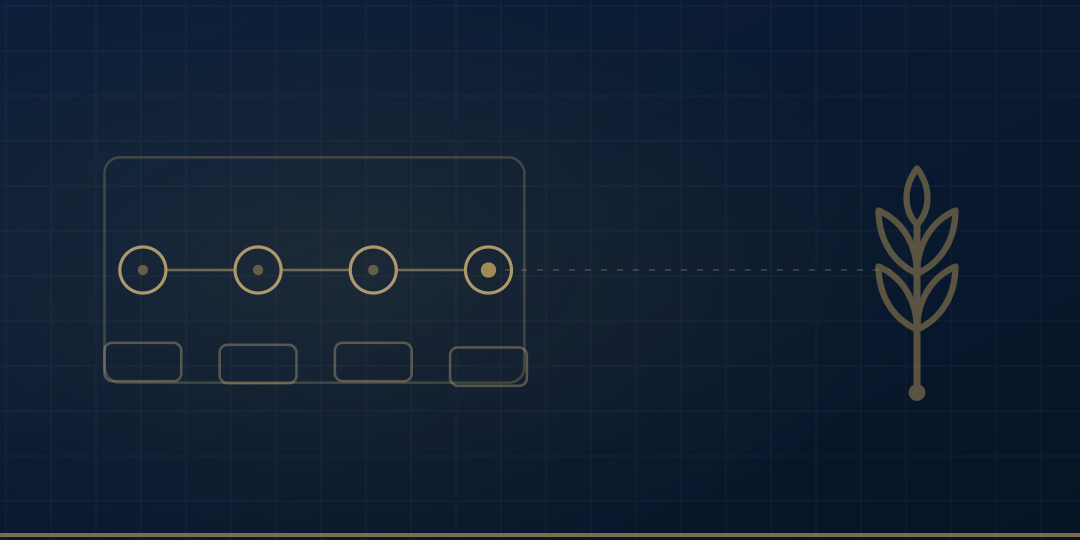
The third is what a record attaches to. AlgoKlima writes warranty and maintenance history against the device rather than the customer, so several air conditioners at one address never share a file, and a unit that changes hands keeps its history. That choice is not a setting anyone reverses lightly: undo it later and every record collected until then has to be re-attached.
This page describes systems built from nothing. If you already run working software, the job becomes a takeover and the first question changes to what may be touched and what may not. We describe that work under software consulting.